
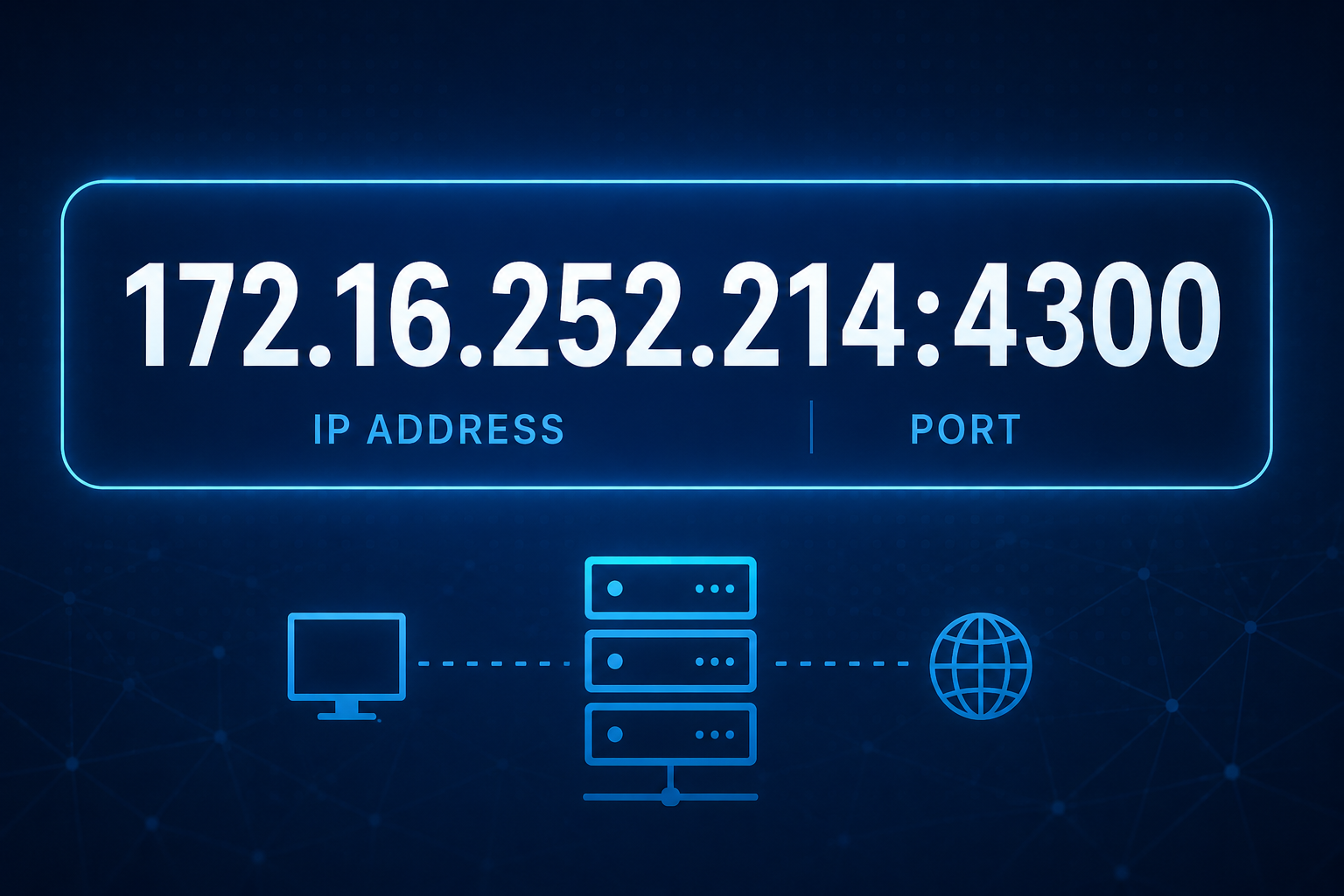
In many technical environments, 172.16.252.214:4300 appears as a network address used to access applications, dashboards, or internal systems hosted within a private environment. Whether used in business networks, development setups, or internal testing, 172.16.252.214:4300 often represents a combination of a private IP address and a designated communication port that enables access to a specific service.
What Does 172.16.252.214:4300 Mean?
To understand 172.16.252.214:4300, it helps to break it into two components:
- 172.16.252.214 refers to a private IP address.
- 4300 represents a port number used by a service or application.
Together, 172.16.252.214:4300 identifies a specific endpoint inside a private network where an application or service may be running. Unlike public websites, this type of address is usually meant for internal use and may only be accessible from within a connected network or secure environment.
Understanding the Role of Private IP Addresses
Private IP addresses are commonly used inside organizations, homes, and development environments. Since 172.16.252.214:4300 belongs to a private IP range, it is typically not accessible over the public internet without additional network configuration.
This setup allows teams to host internal dashboards, admin panels, testing environments, and custom software safely behind network controls. In many cases, developers use 172.16.252.214:4300 to preview projects, test updates, or manage backend systems before deployment.
Why Port 4300 Matters
Ports act like doors that help devices and applications communicate. When paired with a private address such as 172.16.252.214:4300, the port number tells the system which service should receive incoming requests.
For example, port 4300 may be assigned to:
Development Servers
Developers frequently use custom ports to run applications during testing. In such cases, 172.16.252.214:4300 may host a development version of software before it reaches production.
Internal Web Applications
Organizations often assign internal dashboards to dedicated ports. Employees may open 172.16.252.214:4300 in a browser to access monitoring tools, reporting systems, or management interfaces.
Local Testing Environments
Quality assurance teams sometimes rely on addresses like 172.16.252.214:4300 to verify performance, troubleshoot issues, and test updates without affecting live users.
Common Reasons You May See 172.16.252.214:4300
There are several situations where users encounter 172.16.252.214:4300 during daily work or system administration.
Accessing an Internal Dashboard
A company might assign 172.16.252.214:4300 to an internal reporting or analytics tool available only to authorized users.
Software Configuration
Some desktop or enterprise applications reference 172.16.252.214:4300 inside configuration files to connect with local services.
Testing Applications in Development
Developers regularly launch internal servers on custom ports. As a result, 172.16.252.214:4300 could represent an actively running project used for debugging and experimentation.
Troubleshooting Access Problems
If 172.16.252.214:4300 does not load properly, several common issues may be involved.
Network Restrictions
The system may only work within a specific office, VPN, or secure internal environment. If access is blocked, confirm whether the network connection is correct.
Service Not Running
Applications tied to 172.16.252.214:4300 may stop unexpectedly. Restarting the service or checking server status can help restore access.
Firewall or Port Blocking
Some security tools prevent communication through selected ports. If 172.16.252.214:4300 becomes unreachable, reviewing firewall settings may reveal the issue.
Security Considerations for 172.16.252.214:4300
Even internal services deserve proper protection. Organizations using 172.16.252.214:4300 should apply secure authentication, network monitoring, and controlled access policies.
Limiting permissions, maintaining updated software, and monitoring unusual traffic patterns can help reduce risks. Since 172.16.252.214:4300 may host sensitive systems, access should remain restricted to trusted users whenever possible.
Best Practices When Working With 172.16.252.214:4300
To use 172.16.252.214:4300 efficiently, keep a few practical habits in mind:
- Confirm the correct network connection before troubleshooting.
- Verify the related service is actively running.
- Document configuration settings tied to 172.16.252.214:4300.
- Use access controls to secure internal resources.
- Test updates carefully in isolated environments before deployment.
Conclusion
The address 172.16.252.214:4300 is more than a random technical string. It usually represents an internal destination where applications, dashboards, or development tools operate inside a private network. Understanding how 172.16.252.214:4300 works helps users troubleshoot issues, improve workflows, and maintain better system organization. Whether used for testing, internal management, or application hosting, knowing the purpose of 172.16.252.214:4300 can make technical environments easier to navigate and maintain.










Leave a Reply